


Disclaimer: Content is for general informational purposes only and not intended to be medical advice or a substitute for professional health care. See your physician for medical advice personalized to your situation. Consult your health care provider before making any changes in your lifestyle or health care regimen. The inclusion of links to other websites does not imply any endorsement of the material on the websites.
Ageless Aging, the Health Plan of Nevada Way

Aging. Yes, the dreaded “A” word—when our energy level doesn’t seem the same, our hair gets a little thinner (and whiter), our bones become a little rustier, and our face doesn’t quite have that baby-like glow anymore.
While aging is unavoidable, there are many preventive measures and proactive treatments that may delay the process. Staying on top of recommended health screenings is an important way to help ensure how we feel on the outside matches what is happening on the inside.
Preventive Screenings for Women
HPN encourages members to stay up-to-date with their health screenings. For women, there are screenings that may help prevent cancer or find cancer early, including:
Cervical Cancer Screening
- Start at age 21 with Pap testing every three years if results are normal or as advised by your provider.
- Beginning at age 30, HPV testing with Pap testing is recommended.
- If you have had consistently normal or negative Pap and HPV screening results, by age 65 you may be eligible to stop screening—but be sure to talk with your doctor about what’s right for you.
Breast Cancer Screening
- Get your mammogram beginning at age 40, at least every two years.
- Early detection equals early treatment, improving longevity and survival.
- Preventive mammogram screening is a covered benefit and does not require a referral.
Breast Cancer Facts
Breast cancer is the second most common cancer among women in the United States (some kinds of skin cancer are the most common). It is also the second leading cause of cancer death among women, with lung cancer being the leading cause. For non‑Hispanic Black women and Hispanic women, breast cancer is the leading cause of cancer death.
Colorectal Cancer Screening
- Begin screening at age 45 and continue at regular intervals based on your provider’s recommendations and the type of screening test used.
- There are now at‑home colorectal screening test kits available. Talk to your doctor to see if you qualify.
Adult Immunizations
Recommended adult immunizations may include:
- Annual flu shot
- Pneumonia vaccine
- Shingles (adult chicken pox) vaccine
Your provider may recommend more frequent screenings or additional testing based on your individual health conditions and risk factors.
Protect your skin!
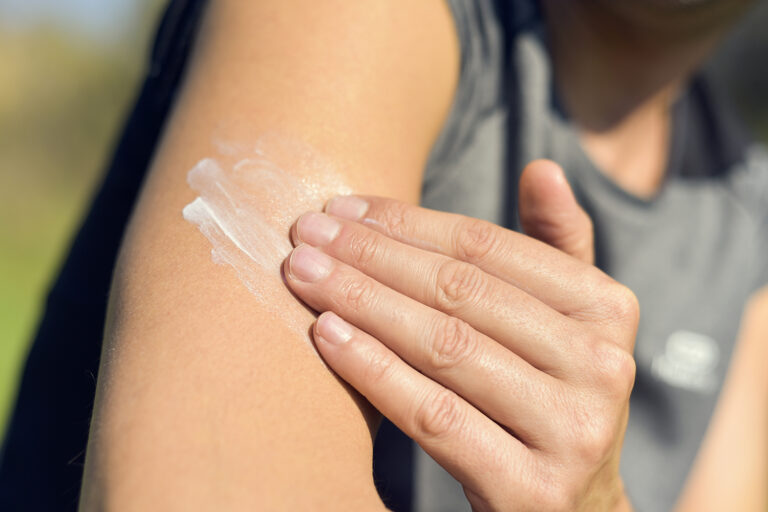
So how do we go about aging gracefully? One of the most important steps is protecting your skin. The most effective way to do so is by avoiding and limiting sun exposure. Wearing protective clothing and avoiding being outdoors between 10 a.m. and 4 p.m.—when ultraviolet rays are strongest—can help limit direct sunlight.
We’ve heard it a million times since childhood, but wearing sunscreen (preferably SPF 30 or higher) is a must, even if you don’t expect to be in direct sunlight. Many makeup brands now offer SPF‑infused products such as powders, foundations, concealers, tinted moisturizers, and creams. These products make it easier to protect your skin—the body’s largest organ—without adding extra steps to your routine.
You are what you eat!
It’s not only what we put on our bodies that’s important but also what we put in them. A healthy diet plays a tremendous role in how aging affects you over time. Incorporating whole foods like fruits, vegetables, whole grains and lean proteins may help prevent or manage chronic health conditions. Plant-based diets also offer additional benefits, such as a lower risk of heart disease and improved immune function.

Anti-aging "superfoods" can help support long-term health. Foods such as blueberries, broccoli, tomatoes, oily fish, avocados, and Brazil nuts are rich in nutrients that support the body as it ages. Many superfoods contain vitamin C, which supports immune health and helps fight wrinkles. Vitamin C–rich foods include citrus fruits, bell peppers, broccoli, strawberries, and kiwi. Don’t underestimate the power of these foods—their benefits can help keep you energized and healthy for years to come.
Get moving!
It’s not just what we eat—it’s also how we move. Regular exercise is recommended, including about 150 minutes of moderate activity or 75 minutes of vigorous exercise each week. But it goes beyond simply getting your steps in.
- Endurance (aerobic) exercise helps protect metabolism, reduces body fat, improves insulin sensitivity, and lowers blood sugar levels.
- Resistance training builds muscle strength and endurance while helping reduce the risk of brittle bones and osteoporosis.
To help prevent bone loss, include calcium‑rich foods daily, such as milk, yogurt, cheese, tofu, dark leafy greens, almonds, or calcium‑fortified soy milk. Women ages 40–50 should aim for 1,000 mg of calcium per day, while women ages 50–70 should aim for 1,200 mg per day. Adding strength training a few times each week can further support bone health.
Prevent bone loss by getting calcium-rich foods in your diet daily, like milk, yogurt, cheese, tofu, dark leafy greens, almonds or calcium-fortified soy milk. Women aged 40 to 50 should get 1,000 milligrams per day, and women aged 50 to 70 need 1,200 milligrams per day. Also, add strength training to your exercise routine a few times each week to help strengthen your bones.
Carolyn, HPN Registered Dietitian
If the thought of exercise is daunting and you're not sure where to begin, Health Plan of Nevada offers a health education and wellness program that offers tools for healthy living. These include a weight-management resources program with tools to support healthy living. These include weight‑management resources designed to help you improve nutrition and physical activity in ways that fit your lifestyle and goals. The program includes weekly virtual classes, guidance on basic nutrition and meal planning, and support for setting achievable fitness goals—helping you build confidence along the way.
As they say, it takes a village. By scheduling routine health checkups and screenings, maintaining a healthy diet, staying physically active, protecting your skin, and keeping up with recommended vaccinations, you can take meaningful steps to support healthy aging.
Men have their own requirements when it comes to preventive health screenings. Check back soon for screening information for men. In the meantime, be sure to talk to your doctor about which screenings are right for you based on your age, medical history and health risks.
Featured Stories

Are you an HPN member?
Download the HPN & SHL app to get access to your health plan information on the go. Visit your app store today.