Eat Your Way to Healthy Sleep

Cherries

Sweet Dreams Are Made of This

How have you been sleeping lately? Ask that question of a growing number of sleep-deprived Americans, and you’re sure to receive some complicated or distressing answers. Research from the National Sleep Foundation shows that about 20 percent of us get less than six hours of sleep each night. For a small number of individuals, this amount of sleep is optimal. For the rest of us, going too far below the traditional eight hours per night can be anything from problematic to catastrophic.

Why aren’t people sleeping enough? Certain medical conditions, particularly those where pain is a predominant feature, can hamper sleep. So can sleep apnea, an illness thought to affect between 10 million and 18 million Americans, which is characterized by stoppages of breathing during sleep that can lead to repetitive sleep-wake cycles. People who work graveyard or rotating shifts, common in 24-hour cities like Las Vegas and Reno, often report that they get less sleep than they feel they need. And, of course, there’s stress, which can keep us from falling asleep and sleeping well once we do.


Girl feeling exhausted

Hectic work schedules and stress can keep us from sleeping well.

In the ideal-case scenario, fixing a sleep issue involves determining the exact cause of the problem and then removing it. Unfortunately, this is often easier said than done. So while we work on root causes, we might find it helpful to turn to nature and use one of its most therapeutic tools as an aid in increasing the quality and quantity of our sleep.

Food.

Can Food Affect Our Sleep?

Many experts — including laboratory scientists, nutritionists, medical doctors and exercise physiologists — believe that what we eat and when we eat it can have a major effect on how we sleep. If this is true, making a few dietary alterations may improve our sleep life in terms of how long we sleep and how restful and restorative our sleep is.

The bulk of research on how diet affects sleep focuses on the critical three to four hours before bedtime. Food and drink consumed inside this window will impact sleep far more than what you consume at dinner or earlier in the day.

Making a few dietary alterations may improve our sleep life.

What to Avoid

Let’s start with the things you don’t want to consume in the hours leading up to bedtime.


Caffeine drinks
Caffeine

Avoid caffeine, including coffee, tea, energy drinks, chocolate candy and most foo-foo drinks from your local coffee bar.

Alcohol
Alcohol

When active in your system, alcohol can significantly decrease the quality of sleep.

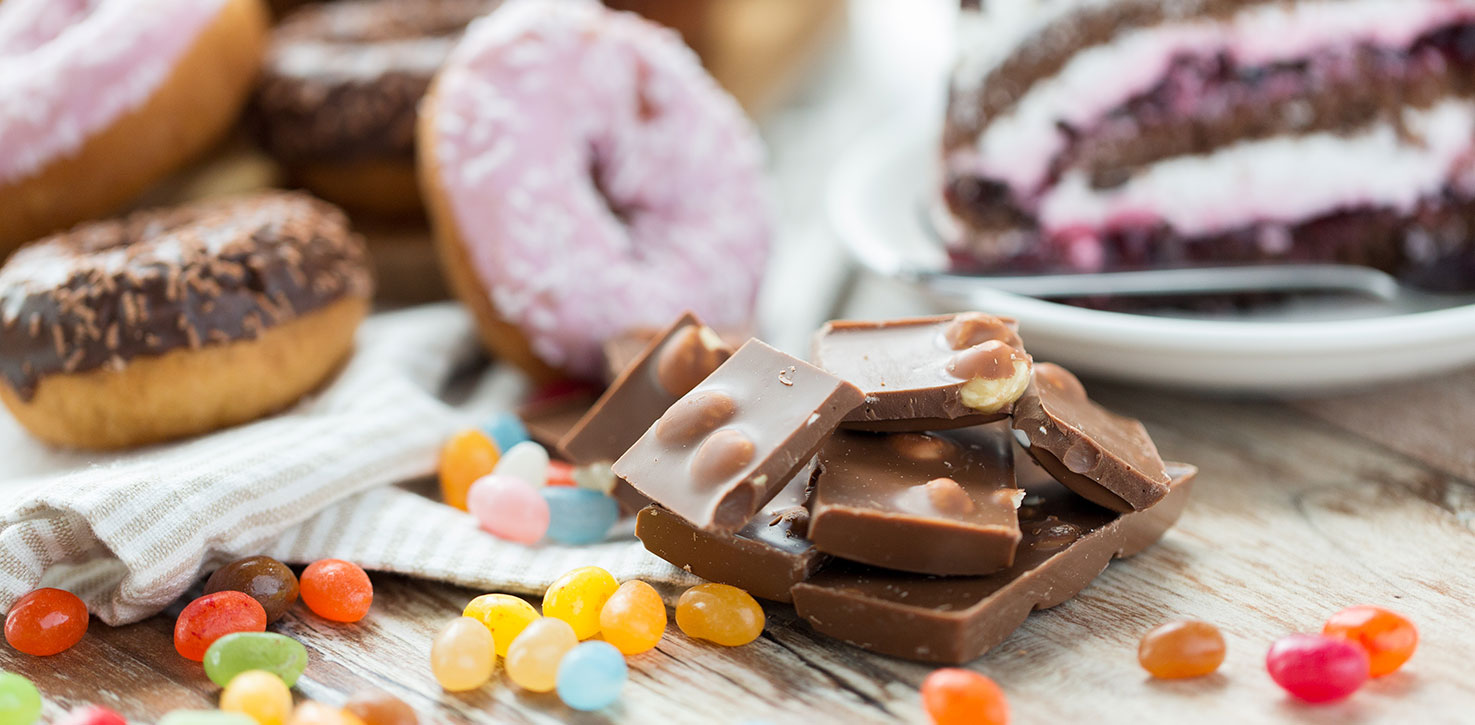
Sugary foods
Sugar

In all its processed forms, sugar disrupts the body’s energy levels and can keep you awake.

Large meals
Big Meals

Large amounts of food cause the digestive system to work overtime and can lead to restlessness and difficulty getting to sleep.

What to Eat

Many sleep experts say that being just a little bit hungry is an ideal state in which to fall asleep. The hunger means digestion is basically complete and the body is finished processing the nutrients and non-nutrients it has been fed in hours past.

Some foods and drinks, however, can actually propel you toward sleep when eaten shortly before bedtime and in small quantities. For example:

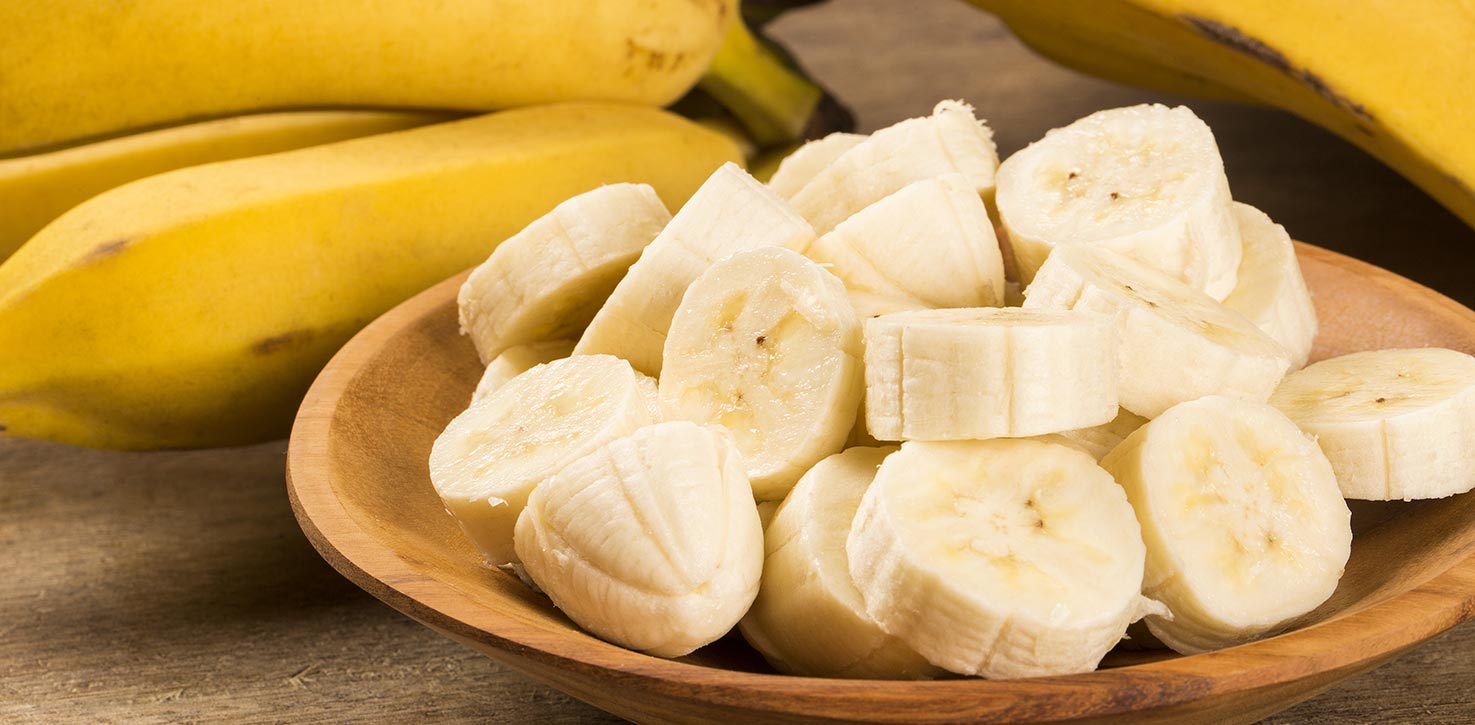
Bananas
Bananas

Full of potassium and magnesium, known muscle relaxants. They also contain tryptophan, an amino acid that in the brain turns into the sleep inducers melatonin and serotonin.

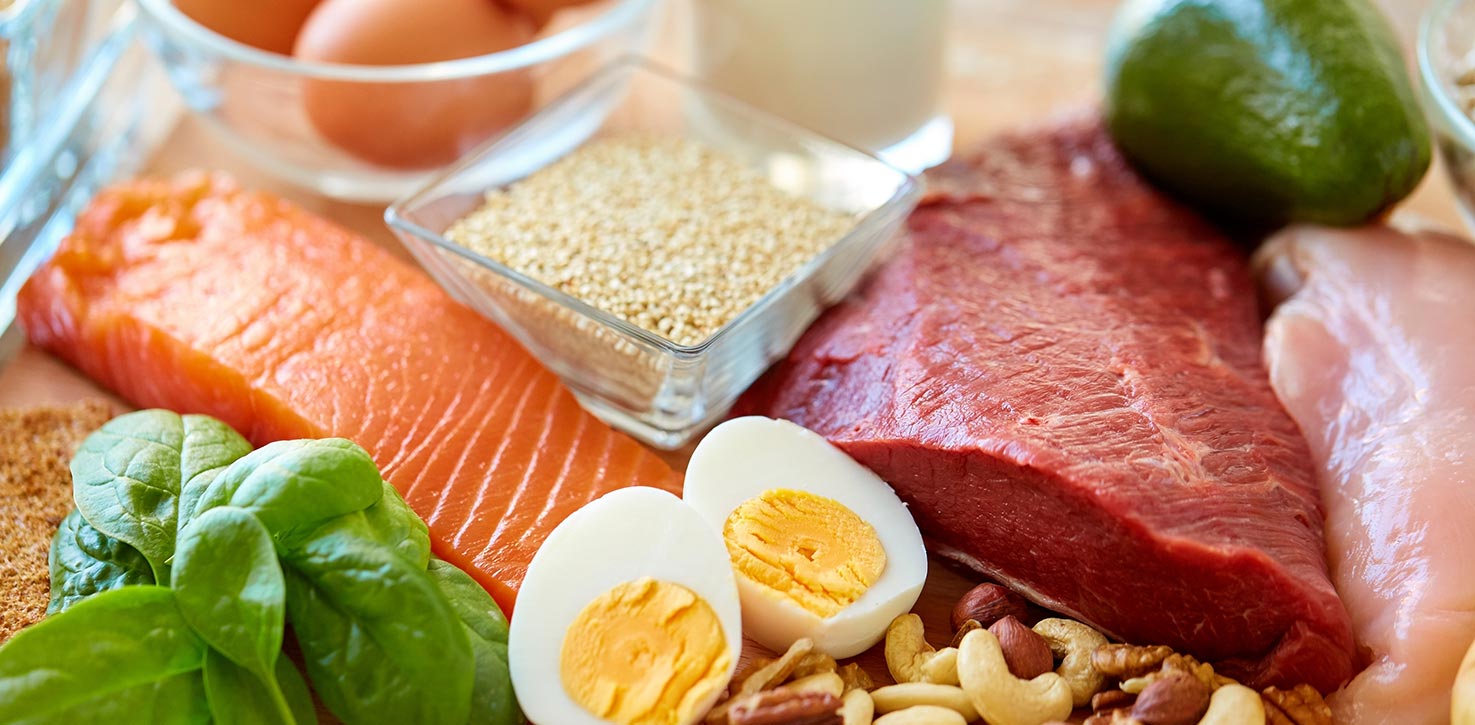
Protein
Protein

In small amounts, protein is a low-energy nutrient that promotes sleep in many people. Try a few ounces of lean meat, hard cheese or cottage cheese; a hard-boiled or soft-boiled egg; or a quarter cup of sunflower seeds, cashews or almonds, all high in magnesium.

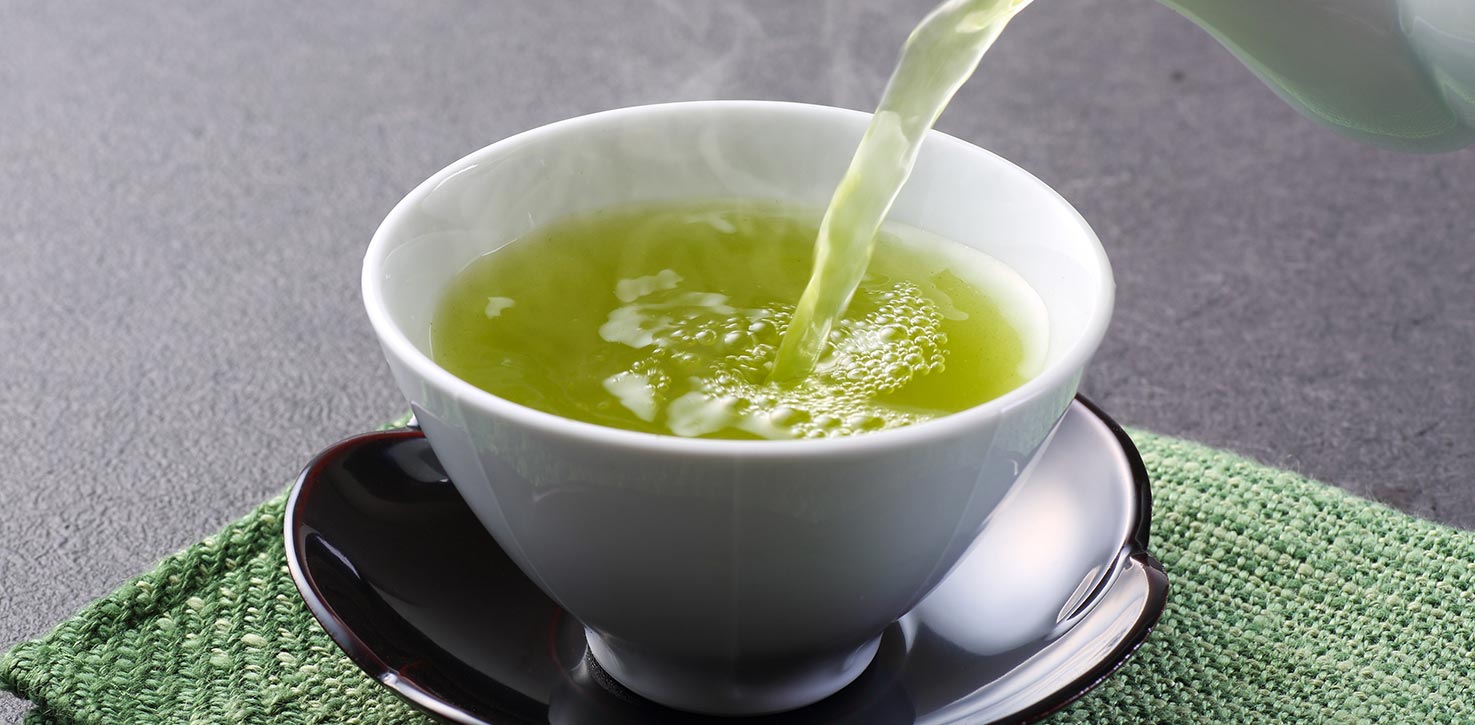
Green tea
Green tea

Contains an amino acid analogue called theanine, which is believed to improve sleep quality. Just make sure it's caffeine free!

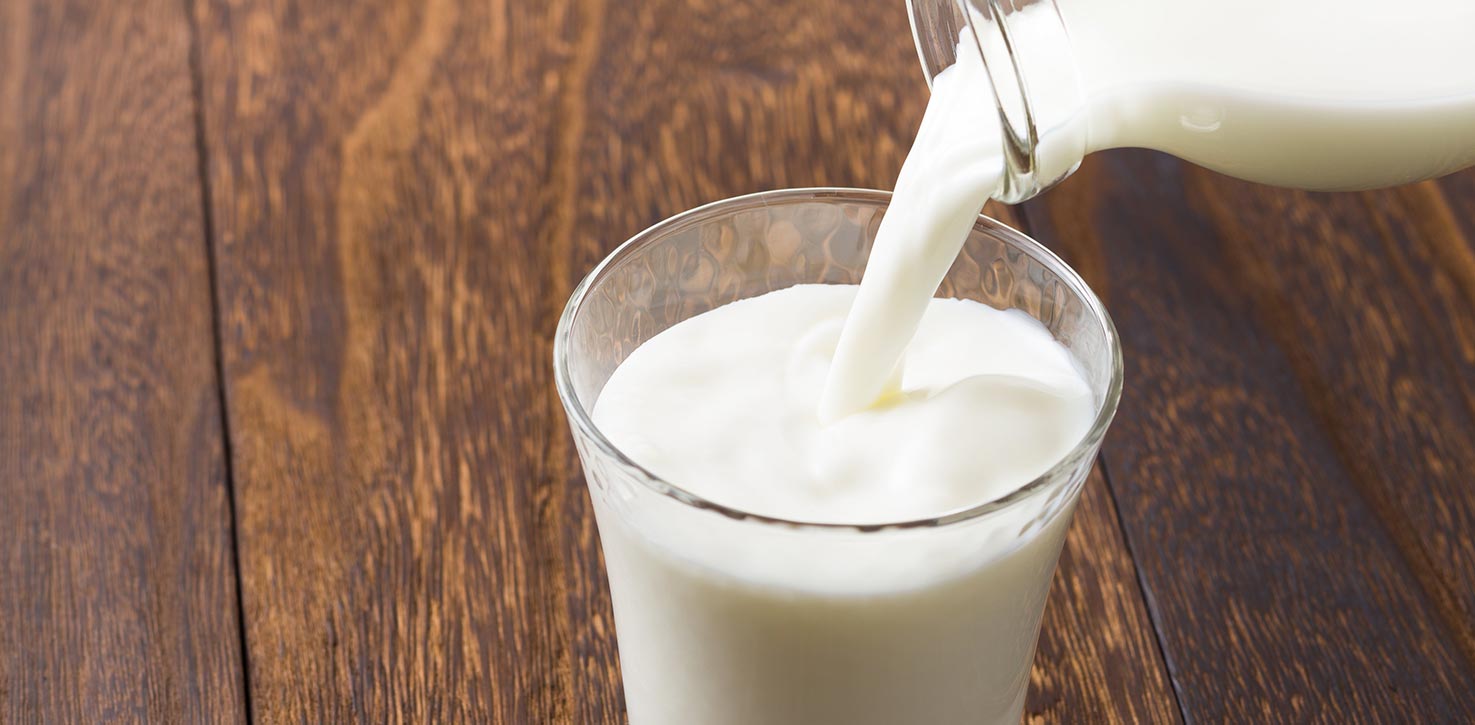
Milk
Milk

High in protein and tryptophan as well as calcium, which helps regulate melatonin production.

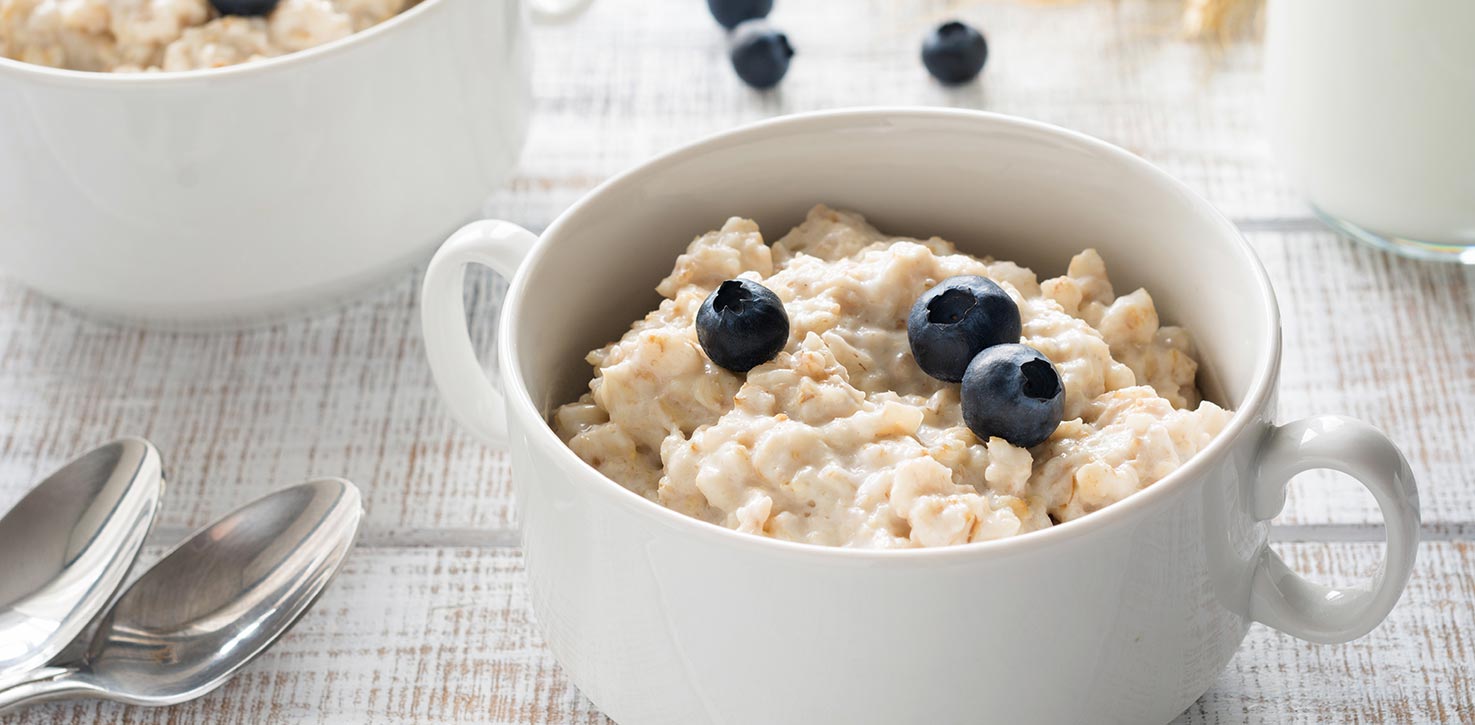
Oatmeal
Oatmeal

Oatmeal without sweeteners gives your body calcium, magnesium, phosphorus, silicon and potassium, all of which promote sleep.

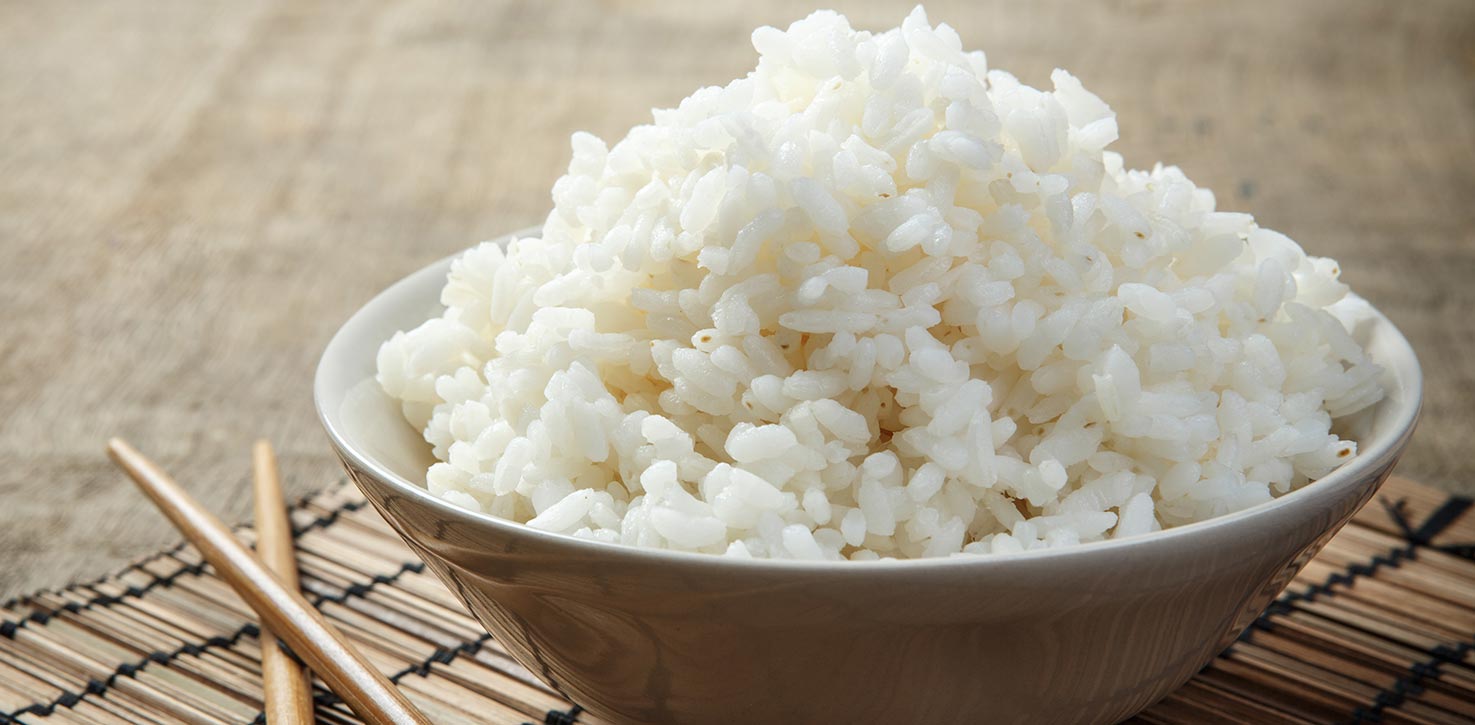
white rice
White Jasmine Rice

Thought to boost serotonin and tryptophan levels. This rice is high on the glycemic index, so take that into consideration.

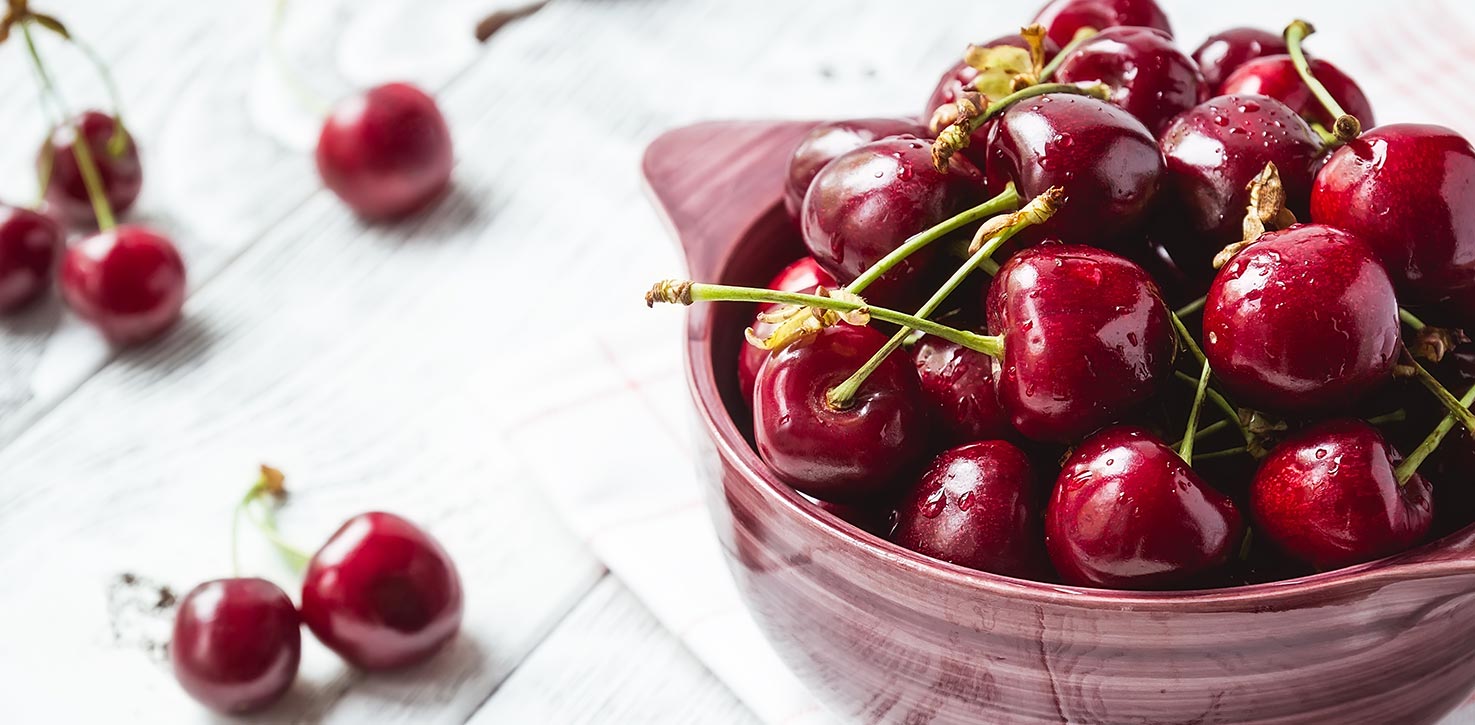
Cherries bowl
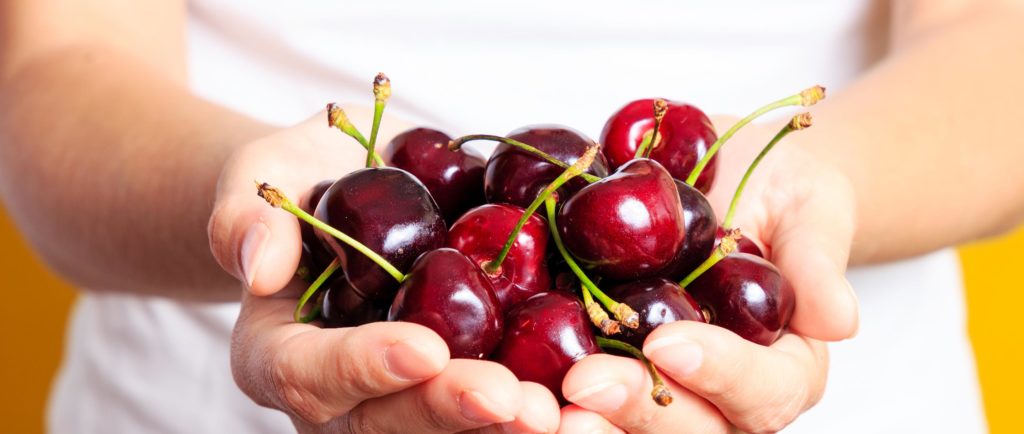
Cherries

One of the few natural sources of melatonin. A cup of fresh cherries is ideal, but dried varieties, as well as cherry juice (with no sugar), are good alternatives.

Each of us is unique in how we process and use nutrients, so do a little experimenting with these bedtime snack ideas to find the one or ones that produce the best results for you. And remember to follow the wise rule of thumb where late-night eating is concerned: Less is definitely more.

Are you an HPN member?


Download the HPN & SHL app to get access to your health plan information on the go. Visit your app store today.

Disclaimer: Content is for general informational purposes only and not intended to be medical advice or a substitute for professional health care. See your physician for medical advice personalized to your situation. Consult your health care provider before making any changes in your lifestyle or health care regimen. The inclusion of links to other websites does not imply any endorsement of the material on the websites.