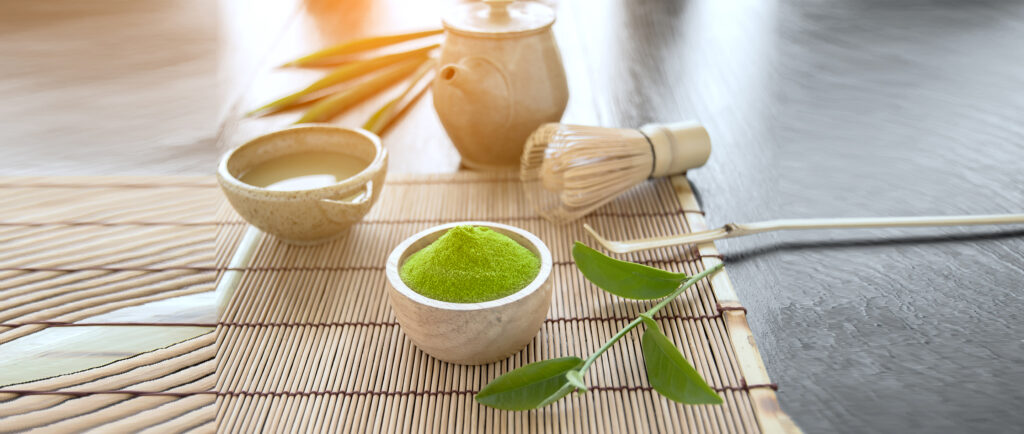
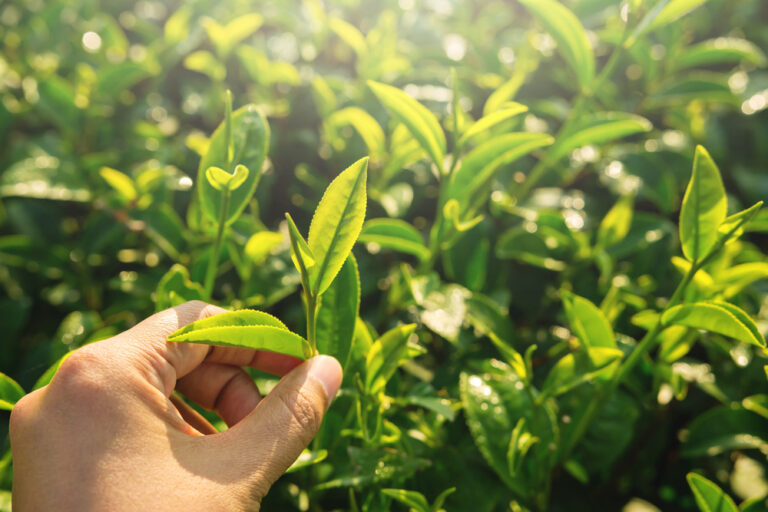
Once the leaves are picked, they are deveined and stripped of stems. Many growers then steam the leaves to reduce oxidation, making them greener. Next, the leaves are often air-dried, oven-dried, chopped, and ground into fine green powder known as matcha.
By the time matcha reaches your cup, you are mixing the powder — almost the entire ground-up leaf — into hot water, unlike the steeping process of regular tea bags.
Since you’re drinking pulverized leaf, you’re consuming a potent concentration of the leaves’ nutrients, especially antioxidants and chlorophyll.
Body Part by Body Part
An energy boost is just one of the many ways matcha may be a great addition to a healthy lifestyle. Studies have shown that matcha may help people with:
- Losing weight
- Reducing anxiety and inflammation
- Fighting bacteria in wounds
- Clearing skin
- Improving memory and reaction time
- Lowering cholesterol
- Reducing the risk of heart disease and strokes
- Shrinking liver, stomach and breast tumors
- Shrinking prostate and skin cancer cells
Does Matcha Have a Downside?
Potential side effects of matcha have been similar to side effects of over-caffeination: diarrhea, and trouble sleeping when consumed too close to bedtime. To avoid over-caffeination, try limiting matcha intake to two cups per day, and have the last cup in the afternoon.
History in Every Sip
Matcha was a drink of choice among Buddhists and Zen philosophers near the turn of the 11th century, appealing to East Asian and Japanese sensibilities.
These matcha enthusiasts developed precious rituals still practiced today.
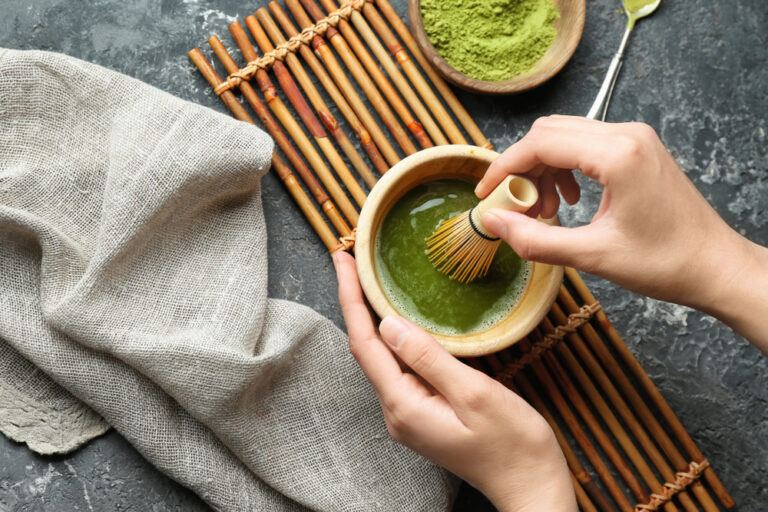
Many preparers heat water to near boiling, use a wooden spatula to push the matcha powder through a little stainless steel wire mesh to declump it, and use a bamboo whisk to break up lumps and pull powder off the sides of the tea bowl.